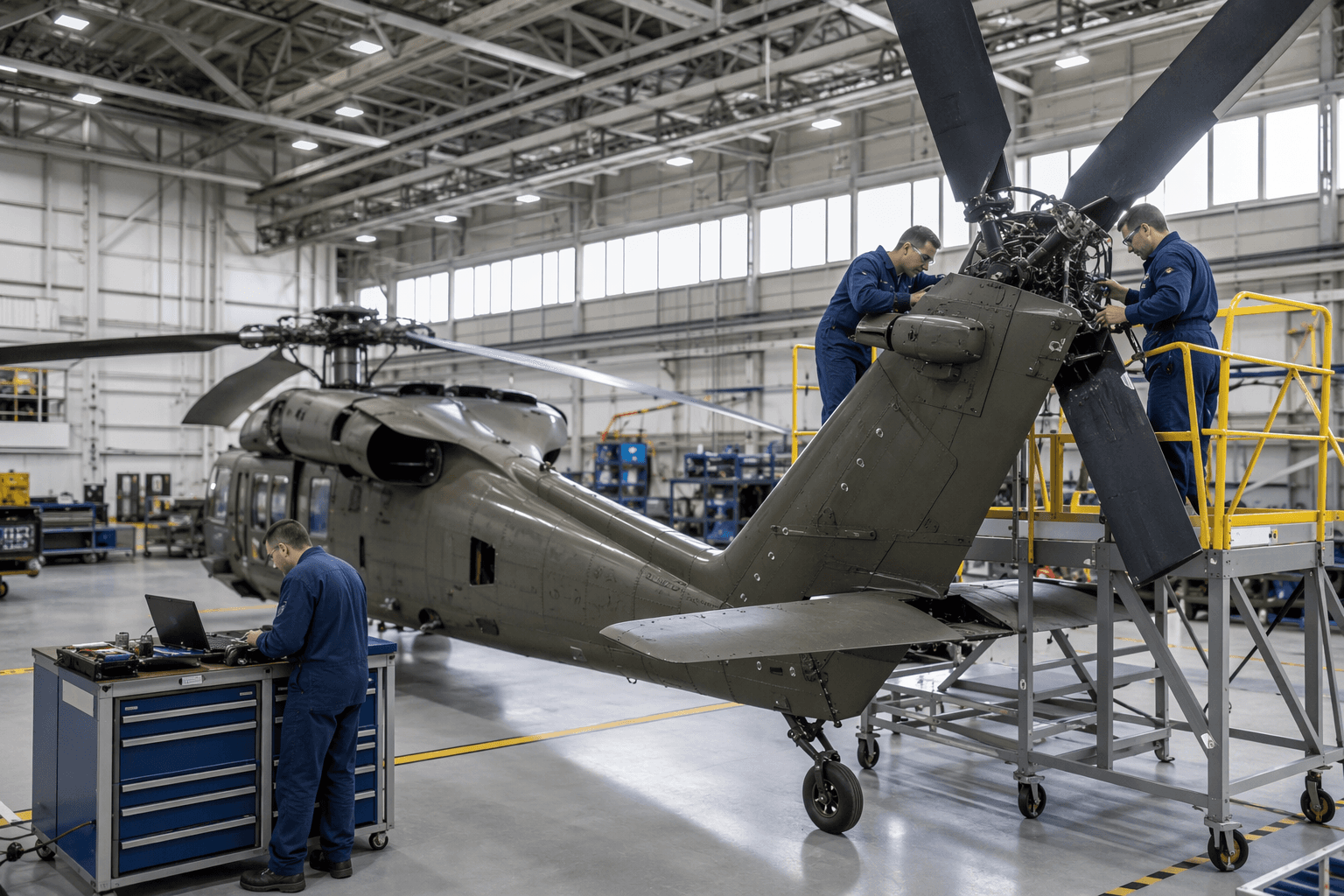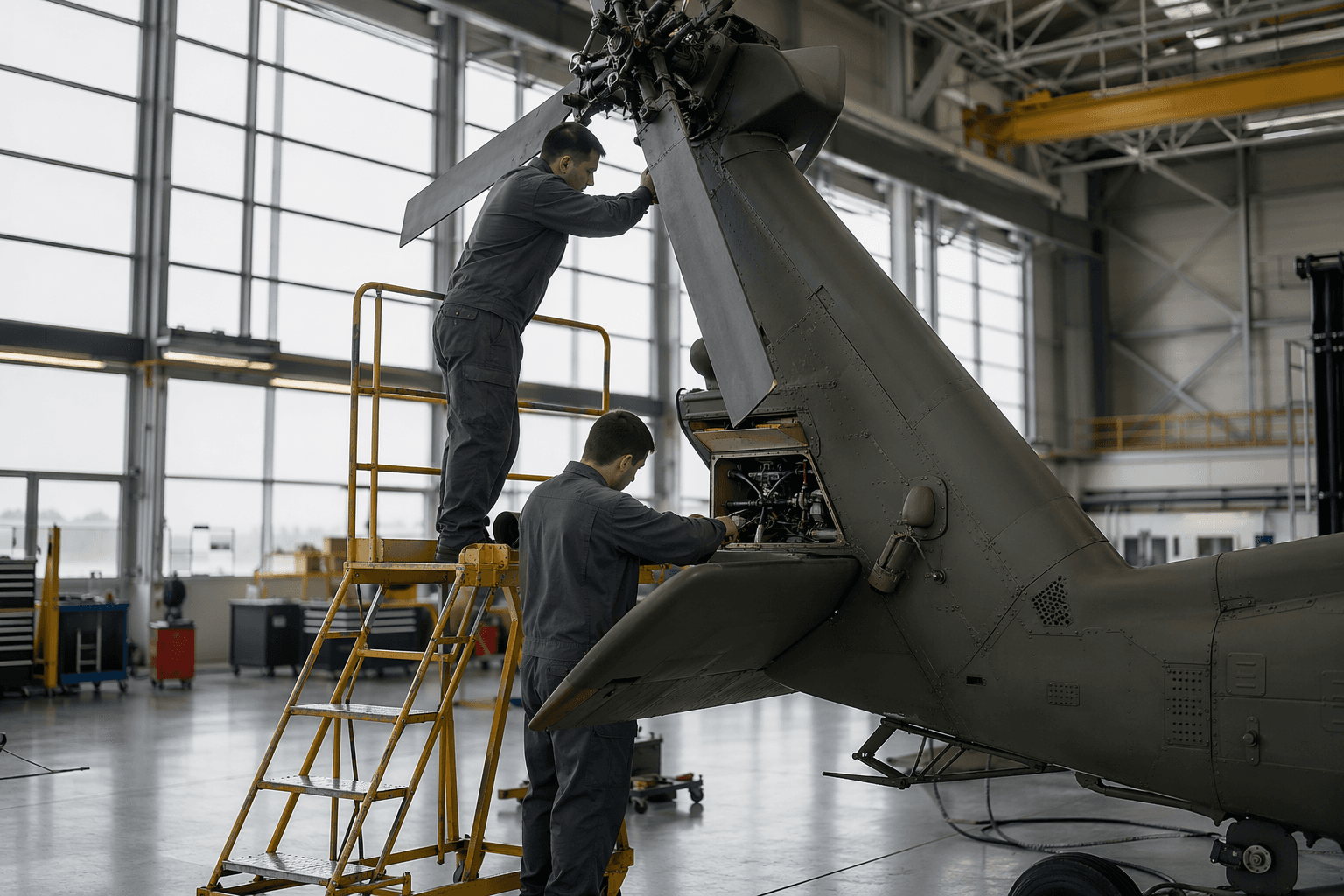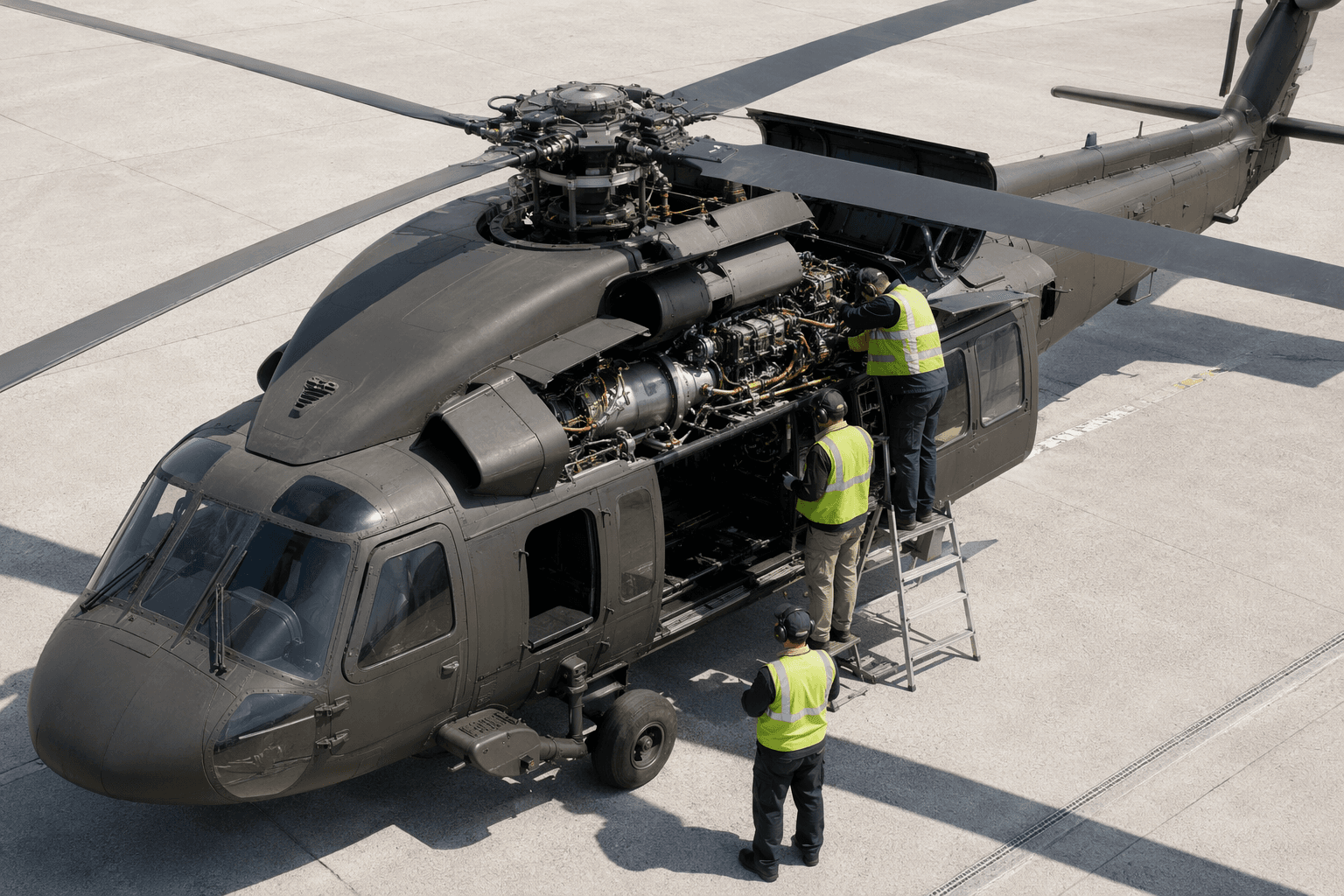
The U.S. Navy has awarded Bell Textron a contract valued at $33,642,332 to produce hardware kits for upgrading the electrical systems of Marine Corps helicopters. The agreement, issued by Naval Air Systems Command, covers work for the Structural and Power Improvements for Next-Generation Effects program, known as SPINE.
The contract targets the AH-1Z Viper attack helicopter and the UH-1Y Venom utility helicopter, both manufactured by Bell in Fort Worth, Texas.
The order includes nine A-kits, which consist of structural brackets and wiring bundles installed directly into the aircraft frames, along with two D-kits, or mission kits, designed to carry new equipment into the cockpit and cabin.
The contract also encompasses dozens of electrical components necessary for the upgrade, including a dozen rotorcraft station control units, a dozen AC generators, a dozen generator control units, a dozen tube assemblies, and seven combining gear boxes. Work on the contract is scheduled to be completed by July 2028.
Bell delivered the first two fully SPINE-modified aircraft, one Viper and one Venom, to the Marine Corps in March 2026. These aircraft were transported from the company’s Amarillo Assembly Center in Texas to Naval Air Station Patuxent River in Maryland for flight testing. The testing aims to finalize the configuration before the upgrade is applied to the broader fleet.
The Marine Corps initiated this production phase while testing was still underway, indicating a desire to expedite the distribution of increased electrical power to the helicopters.
The SPINE program addresses the limited onboard electrical capacity of the AH-1Z and UH-1Y, which were not originally designed to support the power demands of next-generation sensors, datalinks, and weapons. The upgrade is intended to enable these aircraft to carry kinetic long-range munitions and precision weapons that extend beyond their current range of guns and short-range rockets.